Why clear boundaries protect teams, not distance them
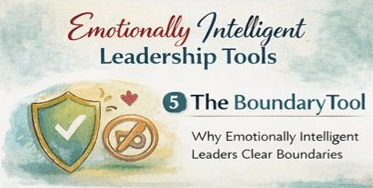
Boundaries are often misunderstood in leadership.
They get framed as cold, rigid, or unapproachable. Something that creates distance between leaders and teams. In caring professions like veterinary medicine, leaders may even avoid boundaries out of fear they’ll seem unsupportive or uncaring.
In reality, boundaries are not about separation.
They’re about clarity, fairness, and sustainability.
Why Boundary Confusion Creates Stress
When boundaries are unclear, teams feel it immediately.
Who handles what?
What’s acceptable and what’s not?
When is flexibility appropriate and when is it not?
Without boundaries, people don’t feel free. They feel uncertain.
Uncertainty creates anxiety. Anxiety creates reactivity. And reactivity is often mislabeled as “attitude” or “lack of professionalism,” when it’s actually a response to unclear structure.
A Familiar Pattern
I’ve worked in environments where boundaries shifted depending on the person, the day, or the leader’s mood.
Some behaviors were addressed. Others were ignored.
Some people were protected. Others were expected to absorb more.
The unspoken rule became clear quickly.
Consistency was optional.
What followed wasn’t trust. It was hypervigilance.
People stopped asking questions. They started watching for cues instead. That’s not engagement. That’s self-protection.
Boundaries Are an Act of Care
Emotionally intelligent leaders understand that boundaries make work safer, not harsher.
Boundaries tell teams:
- What they can expect
- What is required
- What is not acceptable
- Where support exists
When boundaries are clear, people don’t have to negotiate safety on their own.
What the Boundary Tool Looks Like in Practice
The Boundary Tool is not about rigid enforcement. It’s about predictability.
It sounds like:
- “Here’s where my role ends, and yours begins.”
- “This behavior isn’t acceptable here.”
- “I can support you with this, but I can’t take it on for you.”
- “This applies to everyone.”
That last one matters more than most leaders realize.
Boundaries only work when they’re applied consistently.
Why Leaders Avoid Boundaries
Many leaders avoid setting boundaries because they:
- Don’t want to upset people
- Fear being disliked
- Worry about conflict
- Feel responsible for everyone’s comfort
But leadership isn’t about preventing discomfort. It’s about containing it safely.
Avoided boundaries don’t protect relationships.
They strain them.
Boundaries Prevent Burnout
When boundaries are missing, emotional labor becomes uneven.
Some people carry more.
Some people step back.
Some people are quietly resentful.
Clear boundaries distribute responsibility more fairly and reduce unspoken expectations.
Burnout often begins where boundaries end.
Boundaries Support Psychological Safety
Psychological safety isn’t built on permissiveness.
It’s built on knowing what will happen when lines are crossed.
Teams feel safer when:
- Expectations are clear
- Consequences are predictable
- Leaders intervene consistently
Safety comes from structure, not leniency.
How to Start Using the Boundary Tool
You don’t need to overhaul everything.
Start with:
- Naming one boundary your team is unclear about
- Communicating it calmly and directly
- Reinforcing it consistently
- Revisiting it if circumstances change
Boundaries are living agreements, not one-time rules.
The Takeaway
Emotionally intelligent leadership doesn’t mean being endlessly flexible.
It means knowing when structure is the most supportive thing you can offer.
Boundaries don’t distance leaders from their teams.
They make trust possible.
Reflection question for leaders:
Where might clearer boundaries reduce stress for you and your team?
 Heart and Mind VetMed
Leave a comment